




Prioritizing Wellness: Empowering Child Care Workers to Thrive Physically and Mentally

  • The Caregiver’s Guide to Joint Health: Expert Help in Chicago

    ·

    The Caregiver’s Guide to Joint Health: Expert Help in Chicago

    Caring for Others Starts with Caring for Yourself

    Caregivers — whether they’re parents, childcare workers, or healthcare professionals — spend their days putting the needs of others first. But the physical demands of lifting, bending, standing for hours, and constant movement can take a serious toll on the body, especially the joints.

    Neglecting your own health can lead to chronic discomfort and even long-term disability. That’s why working with an experienced joint pain doctor in Chicago is one of the smartest choices caregivers can make. By addressing issues early, you can protect your mobility, reduce pain, and continue providing the care your loved ones or clients depend on.

    The Hidden Strain Caregiving Puts on Your Joints

    Caregiving often involves repetitive motions and heavy lifting that strain the joints over time. Common causes of joint pain among caregivers include:

    • Lifting and carrying children or patients

    • Bending and kneeling during play or daily care tasks

    • Standing for long periods without breaks

    • Pushing or pulling equipment like strollers, wheelchairs, or carts

    • Repetitive hand movements such as writing, typing, or cleaning

    Over months and years, these motions can lead to inflammation, stiffness, and conditions like arthritis or tendonitis.

    Why Early Intervention Is Key

    Many …

  • Why Dining Etiquette Matters More Than Ever in Today’s Social World

    ·

    Why Dining Etiquette Matters More Than Ever in Today’s Social World

    Whether it’s a business lunch, a wedding reception, or dinner with friends, the way you conduct yourself at the table speaks volumes about your respect for others—and for yourself. In a fast-paced, informal world, proper dining manners have become a rare but valuable skill. Learning dining etiquette ensures you can navigate any meal with confidence, leaving a lasting positive impression in both personal and professional settings.

    Today, dining etiquette is about more than knowing which fork to use—it’s about fostering connection, showing cultural awareness, and creating comfortable, enjoyable experiences for everyone at the table.

    The Role of Etiquette in Building Relationships

    Sharing a meal is one of the oldest ways humans connect. Whether it’s with colleagues, clients, family, or friends, the table becomes a stage for conversation, collaboration, and relationship-building. Good dining manners help put others at ease, remove distractions, and allow the focus to stay on the people and the conversation.

    Common Dining Mistakes to Avoid

    Even in casual settings, certain behaviors can create awkwardness or send the wrong message. Common slip-ups include:

    • Talking with your mouth full

    • Using your phone at the table

    • Interrupting the flow of service

    • Reaching across someone’s plate

    • Forgetting to thank the host or

  • Caring for Others Starts with You: Why Personal Wellness Matters for Caregivers

    ·

    Caring for Others Starts with You: Why Personal Wellness Matters for Caregivers

    Caregivers are the backbone of our society—whether they’re professionals working in childcare, elder care, or health services, or individuals tending to aging parents, spouses, or children with special needs. These roles require an immense amount of emotional energy, time, and compassion. But often, caregivers place themselves last on the list of priorities. What’s rarely talked about, though, is how essential personal wellness is for those who care for others. For many, that means making time for rest, self-care, and even exploring confidence-building options like visiting a plastic surgeon in San Diego.

    At Feel Beautiful Plastic Surgery San Diego, board-certified plastic surgeon Dr. Steve Laverson helps caregivers—and all individuals—reconnect with their own sense of identity and well-being. Whether it’s a subtle rejuvenation or a more transformative procedure, Dr. Laverson’s approach is rooted in compassion, artistry, and respect for the journey that brings each patient through his doors.


    Why Caregivers Need to Prioritize Themselves

    Being a caregiver often involves putting someone else’s needs ahead of your own—day in and day out. This noble and selfless work is rewarding, but it can also be physically draining and emotionally overwhelming. Over time, many caregivers begin to feel burned out, depleted, or invisible …

  • Creating a Health-Conscious Home Environment: Insights from Optimal Remodel

    ·

    Creating a Health-Conscious Home Environment: Insights from Optimal Remodel

    Your home is your sanctuary, and it should be a place where you feel safe and healthy. Creating a health-conscious home environment is not only good for your well-being but can also improve your quality of life. With a few simple changes, you can transform your home into a space that promotes health and wellness.

    When it comes to creating a health-conscious home environment, there are several factors to consider. One of the most important is indoor air quality. Poor indoor air quality can lead to a range of health problems, from allergies and asthma to headaches and fatigue. To improve your indoor air quality, consider investing in an air purifier or adding some indoor plants that can help filter the air.

    Another important factor to consider is the use of natural materials. Many building materials, furniture, and household products contain harmful chemicals that can be detrimental to your health. Opting for natural materials like wood, bamboo, and organic cotton can help reduce your exposure to these toxins and create a healthier home environment. Additionally, using non-toxic cleaning products and avoiding synthetic fragrances can help improve indoor air quality and reduce your exposure to harmful chemicals.

    Designing for Health and

  • The Importance of Etiquette in Childcare Settings: Why It Matters for Children’s Development

    ·

    The Importance of Etiquette in Childcare Settings: Why It Matters for Children’s Development

    As a childcare provider, you play a critical role in the development of young children. Not only are you responsible for their safety and well-being, but you also have the opportunity to help them grow and learn in a positive and nurturing environment. One important aspect of this is teaching children proper etiquette.

    Etiquette refers to the set of social norms, customs, and expectations that govern behavior in a particular society. In a childcare setting, this includes how children interact with one another, how they communicate with adults, and how they behave in different situations. By teaching children proper etiquette, you are helping them develop important social skills that will serve them well throughout their lives.

    In addition to promoting positive social development, teaching etiquette in a childcare setting can also help build strong relationships between children and caregivers. When children feel respected and valued, they are more likely to trust and cooperate with their caregivers. This, in turn, can lead to a more positive and productive learning environment. So if you haven’t already, consider incorporating etiquette lessons into your daily routine and see how it can benefit both you and the children in your care.

    Establishing Positive Interactions

  • How to Find a Bail Bonds Agent Who Cares About Your Case

    ·

    How to Find a Bail Bonds Agent Who Cares About Your Case

    A bail bonds agent can make the process of getting a loved one out of jail easier for everyone involved. They can handle the complicated paperwork and procedures, speeding up the process and reducing financial and emotional stress for family members and friends.

    Visit Golden Boy Bail Bonds for compassionate bail assistance their caring agents prioritize your case, providing support and guidance during challenging times.

    Reputation

    A bail bond agent, or bondsman, will typically charge a non-refundable fee in exchange for the promise that the defendant will show up for their court dates. In some cases, the defendant’s indemnitor may also be required to put up collateral, such as a home or car title, in case they fail to appear.

    Bail bond agents are experts at navigating the legal system and can offer valuable advice to their clients. However, they can’t control certain aspects of the process, such as how long it takes for the jail to release a person once bail is posted.

    If an agent is dragging their feet or making you wait for unnecessary amounts of time, look elsewhere. A reliable bail bondsman will work efficiently and effectively.

    Experience

    A bail bondsman is a licensed professional who …

  • The Power of Quality Time with Your Children

    ·

    The Power of Quality Time with Your Children

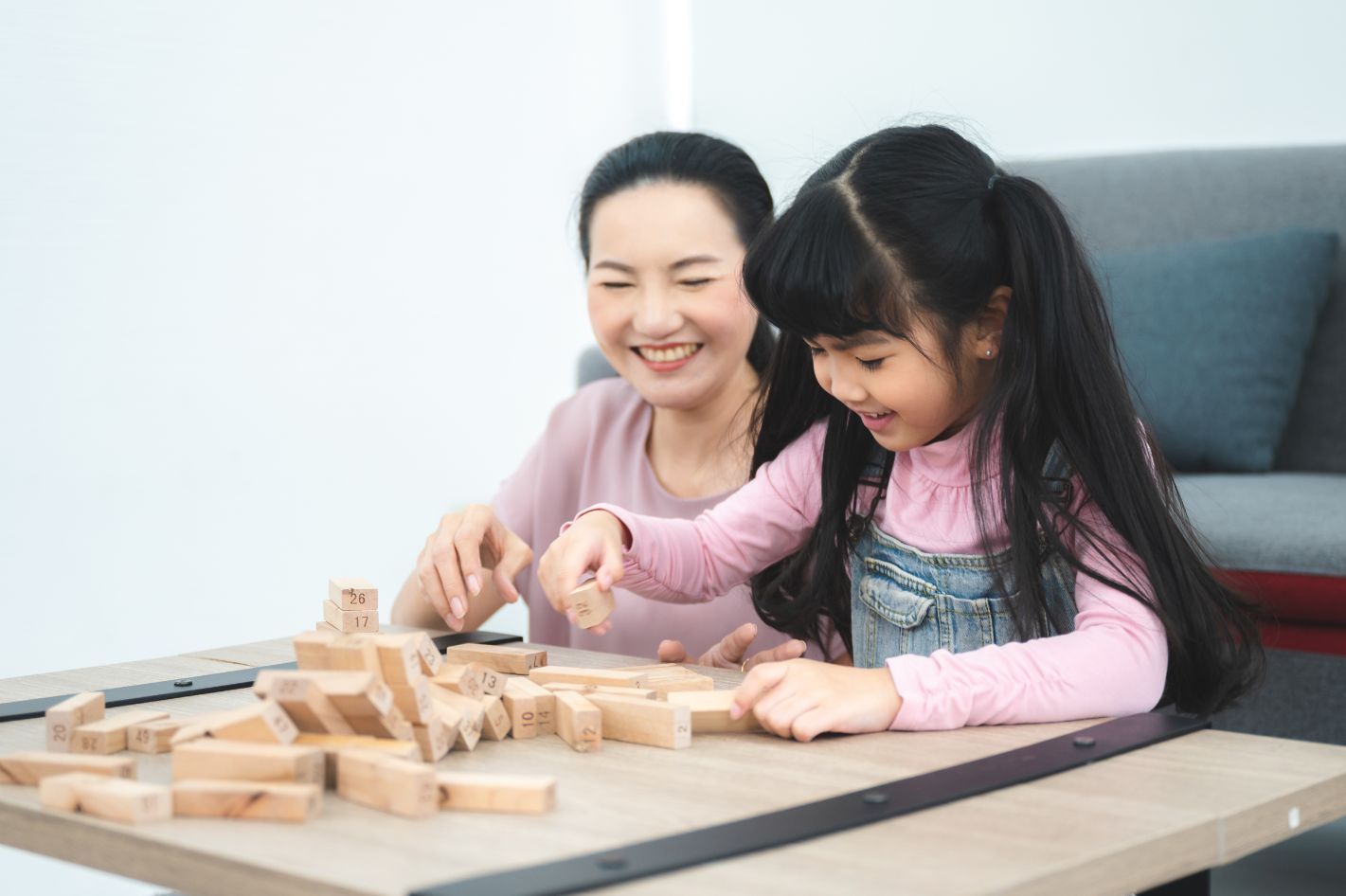
    Children crave parents’ undivided attention. One way to do this is by setting aside time for one-on-one time with each child each day (you can call it Special Time, or something similar).

    This can include anything from a game of blocks to chatting about their day. When kids know that their parents care enough to put aside chores or work to spend time with them they feel important and loved.

    Spending Time Together

    As parents, we strive to give our children a safe and comfortable home, healthy food, clothing, school supplies and opportunities to enjoy hobbies and activities they love. But one of the most important things we can do is to spend time with them and show them our love and support.

    Quality time is not about quantity its about making meaningful connections. And that doesn’t have to be hard. Even simple gestures like a smile a hug or a kiss can make a big difference to your child’s well-being.

    To have quality time with your kids, put aside some special time in your daily routine and stick to it. This means putting down the phone, turning off the TV and spending one-on-one time with each child doing something …

  • 7 Tips for Raising Happy and Healthy Children

    ·

    7 Tips for Raising Happy and Healthy Children

    Research shows that happy kids are more likely to be healthy and well-adjusted but parenting is a tricky business!

    Rather than giving into your child’s every whim and granting them more screen time what does it take to raise happy children? It starts with loving your kids and prioritizing their mental health.

    1. Nurture Your Child

    A healthy child needs to be nurtured, from birth. This means more than just providing food, shelter and clothing; it also means nurturing their emotional and mental health.

    Nurturing your children can help them learn to respect others and solve problems. For example, when your child throws her crayons on the floor in anger, encourage her to find another way to express herself. This will teach her to be self-sufficient, which helps build confidence and a positive self-concept.

    Set routines and schedules to offer your children a sense of discipline and structure. This also allows them to know what to expect, which provides a sense of safety and security.

    2. Encourage Healthy Eating Habits

    Children need to eat healthy foods for good health. They need to drink water and low-fat milk, eat fruits and vegetables, and get plenty of physical activity.

    Children thrive on …

  • Creating a Supportive Learning Environment at Home for Children

    ·

    Creating a Supportive Learning Environment at Home for Children

    the concept of education has undergone a significant transformation the traditional classroom setting has been complemented and sometimes replaced by home-based learning.

    Creating a supportive learning environment at home for children is crucial for their academic success and overall well-being.

    Designated Learning Space: One of the most important aspects of creating a supportive learning environment is having a designated space for learning. This space should be free from distractions, well-organized, and comfortable. Whether it’s a corner of the living room or a dedicated study room having a specific area for learning helps children focus and mentally associate that space with their studies.

    Supplies and Resources: Ensure that your child has access to all the necessary supplies and resources, such as textbooks, notebooks, a computer or tablet, and art supplies. Having these items readily available can prevent interruptions during study time.

    Consistent Schedule: Establish a consistent daily schedule that includes dedicated study time. Consistency helps children develop good study habits and creates a sense of routine and structure. It’s essential to strike a balance between academic work and free time.

    Parental Involvement: Parents and caregivers play a pivotal role in a child’s learning journey. Be actively involved …

  • Helping Your Child in School: Homework and Study Strategies

    ·

    Helping Your Child in School: Homework and Study Strategies

    As a parent, you want the best for your child, and part of that involves helping them succeed in school. While teachers and schools play a significant role in your child’s education, parents can also make a significant impact by providing support and guidance.

    Homework and study strategies are essential components of your child’s academic journey and by helping them develop effective habits, you can set them up for success.

    1. Create a Dedicated Homework Space

    One of the most effective ways to support your child’s academic success is to create a dedicated homework space at home. This space should be free from distractions, comfortable, and well-equipped with all the necessary school supplies. Encourage your child to use this area consistently, as it helps establish a routine that separates study time from leisure time. A quiet, well-lit area with minimal distractions will greatly enhance their concentration and productivity.

    2. Establish a Homework Routine

    Consistency is key to helping your child excel in school. Establish a regular homework routine that works for your family’s schedule. This routine should include designated homework hours, allowing your child to focus and complete their assignments without feeling rushed. Be flexible when necessary, but make sure …


HIGHLIGHTED POST


AUTHOR QUOTES

Jessica Milton

Get Help Today

learning environment for children